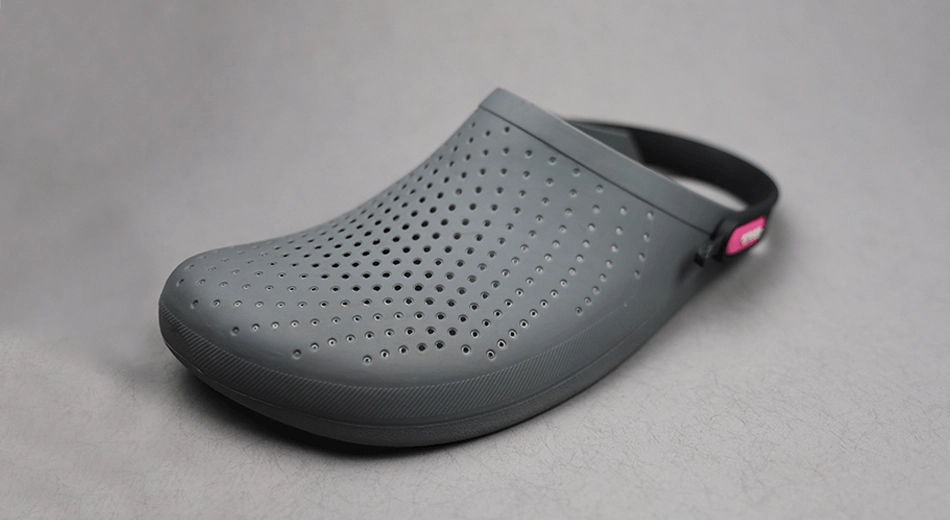
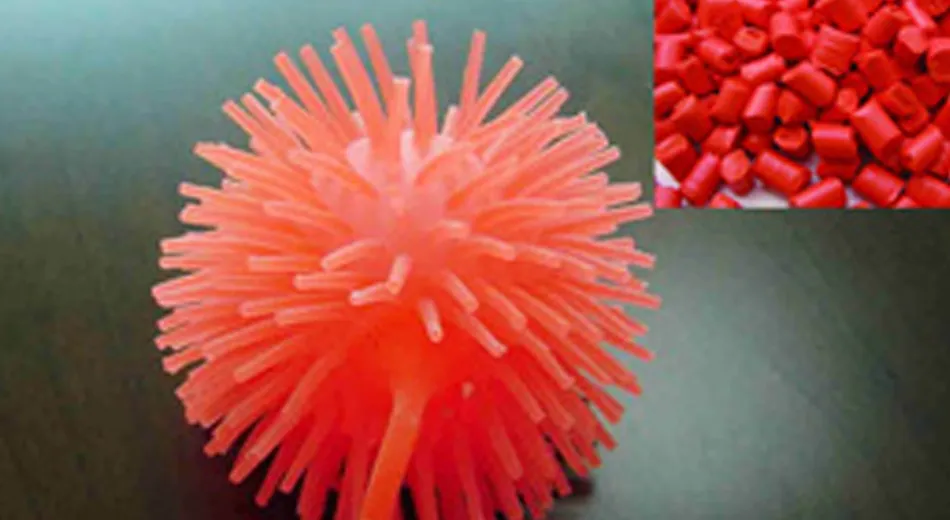
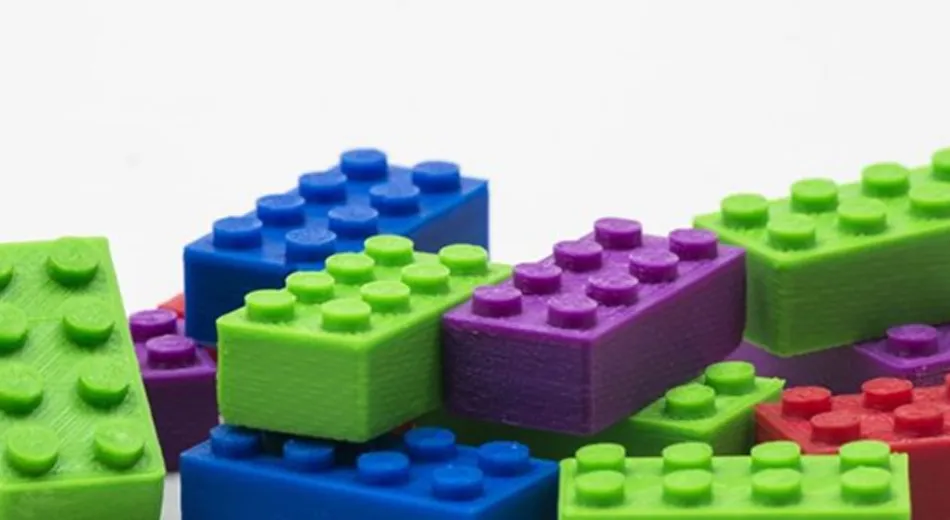
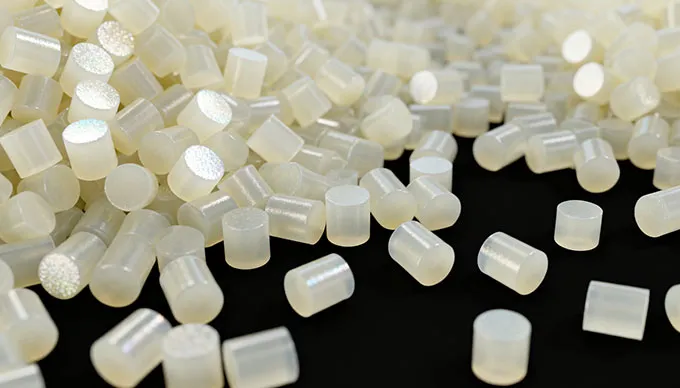
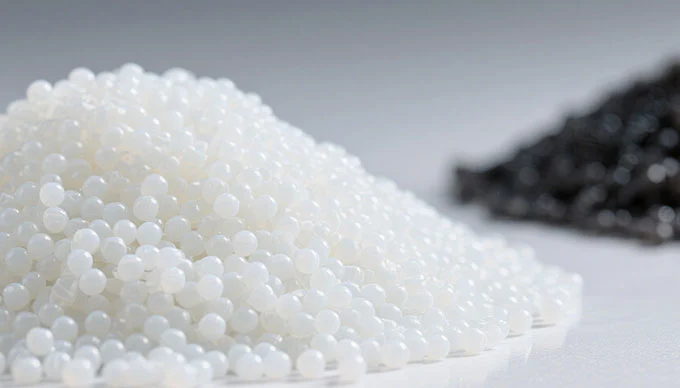
Thermoplastic elastomers (TPE/TPR), also known as synthetic rubber or elastomer, offer products that combine the excellent properties of traditional crosslinked vulcanized rubber, such as high elasticity, aging resistance, and oil resistance, with the convenience of processing and a wide range of processing methods typical of ordinary plastics. They can be produced using injection molding, extrusion, blow molding, etc., and the scrap from water-cut corners can be 100% recycled for secondary use without any additional processing. This not only simplifies the production process but also reduces costs, making thermoplastic elastomers (TPE/TPR) materials the latest replacements for traditional rubber. They are environmentally friendly, non-toxic, provide comfortable hand feel, and have exquisite appearance, making products more creative. Therefore, they are also a new type of synthetic material that is more humanized and of higher quality, as well as a globally standardized environmentally friendly material.
Advantages of thermoplastic elastomers:
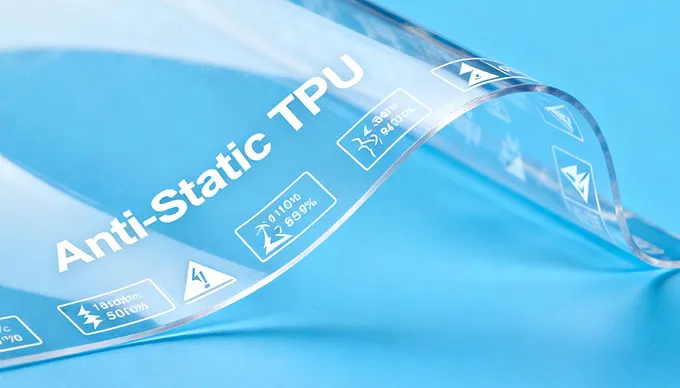
(1) They can be processed using general thermoplastic plastic molding machines, such as injection molding, extrusion molding, blow molding, compression molding, transfer molding, etc. In some high-performance material applications, formulations like huntsman tpu are also used to enhance elasticity and durability in demanding industrial environments.
(2) They can be vulcanized using rubber injection molding machines, with the vulcanization time being reduced from about 20 minutes to less than 1 minute.
(3) They can be molded and vulcanized using extrusion machines, with fast extrusion speed and short vulcanization time.
(4) The waste generated during the production process (extruded flash, waste rubber) and the final defective products can be directly returned for reuse.
(5) Used TPE products can be simply recycled and reused, reducing environmental pollution and expanding the sources of resource recycling.
(6) No vulcanization is required, saving energy. For example, the energy consumption for high-pressure hoses production is: rubber 188MJ/kg, TPE 144MJ/kg, which can save more than 25% energy.
(7) They have a large self-reinforcing effect, greatly simplifying the formulation, thereby reducing the impact of additives on the polymer and making it easier to control quality and performance. In many global supply chains, materials such as those produced by tpu china manufacturers are widely adopted due to their cost efficiency and stable production capacity.
(8) They have opened up new avenues for the rubber industry and expanded the application fields of rubber products.
Disadvantages of thermoplastic elastomers:
TPE's heat resistance is not as good as that of rubber, and its physical properties decrease significantly with temperature rise, thus limiting its application scope. At the same time, compared to rubber, TPE has poorer compression deformation, resilience, and durability, and its price is often higher than that of similar rubber products. However, overall, the advantages of TPE are still very prominent, and its disadvantages are being continuously improved. As a new type of energy-saving and environmentally friendly rubber raw material, its development prospects are very promising.
 English