Flame Retardant Grades and Performance of TPU
Thermoplastic Polyurethane (TPU) is a high-performance material widely used in various industrial and consumer products. As a widely used flame retardant TPU material in safety-critical applications, its flame retardant grades are typically classified into premium V1 and standard V2.. According to the UL 94 standard, V1 grade indicates that the material will self-extinguish within 10 seconds after ignition and will not produce dripping substances, while V2 grade indicates that the material will self-extinguish within 30 seconds but may produce dripping substances. For applications requiring higher flame retardant performance, TPU materials can achieve UL 94 V0 grade by adding flame retardants, meaning the material will self-extinguish within 10 seconds and will not produce dripping substances.
The high-temperature resistance of TPU is also a significant characteristic. Conventional TPU materials can typically withstand temperatures up to 80°C, meaning their long-term usage temperature should not exceed 80°C, or their lifespan will be significantly reduced. However, some modified TPU materials on the market can withstand higher temperatures, such as heat-resistant TPU, which can endure temperatures up to 130°C. Additionally, glass fiber-modified TPU materials offer higher heat resistance and better mechanical properties, making them more widely applicable in high-temperature environments.
Advantages and Applications of Halogen-Free Flame Retardant TPU
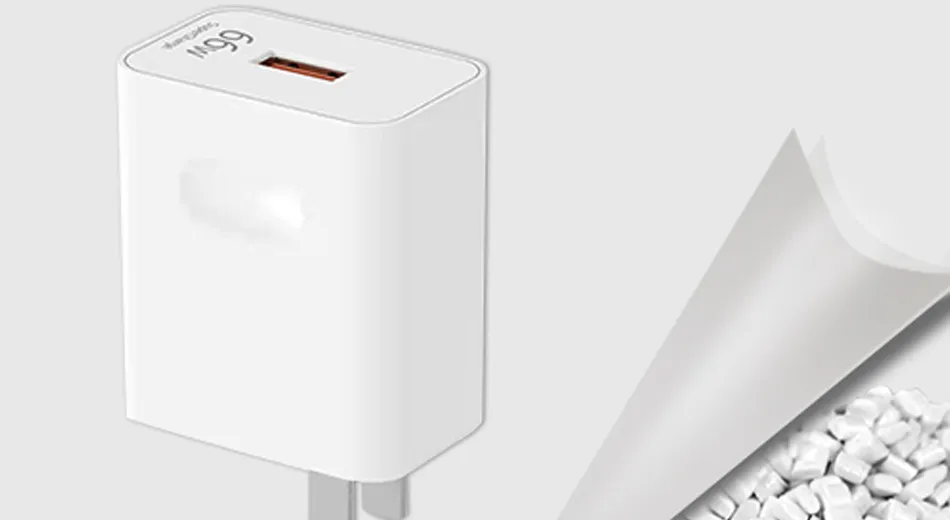
Halogen-free flame retardant TPU is an eco-friendly material with advantages such as being non-flammable, low smoke, and low toxicity. The hardness range of halogen-free flame retardant TPU is broad, from 71A to 95A, to meet different application needs. Depending on the processing method, halogen-free flame retardant TPU can be divided into tpu injection molding and extrusion types. In terms of color, halogen-free flame retardant TPU can be black, white, natural, or transparent, with surface finishes ranging from glossy to semi-matte or matte.
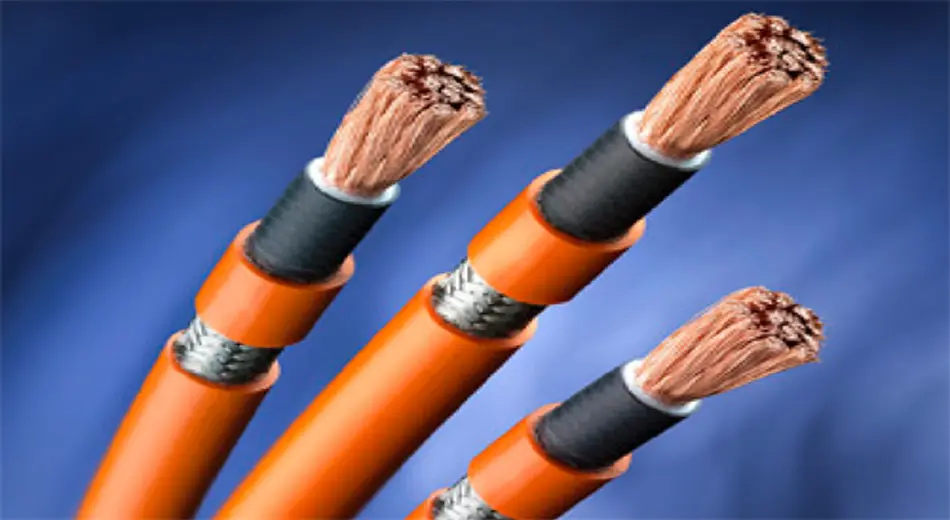
Halogen-free flame retardant TPU is particularly widely used in the field of wires and cables. Its excellent mechanical properties, abrasion resistance, solvent resistance, and high and low-temperature resistance make it an ideal coating material for wires and cables. However, TPU itself is flammable, which often leads manufacturers and engineers to ask, is TPU flammable enough to pose a fire risk in demanding applications? During combustion, it produces droplets that can easily ignite surrounding combustible materials, exacerbating fires. Therefore, in the wire and cable field, it is essential to further improve the flame retardant performance of TPU.
By adding halogen-free flame retardants, the TPU flame retardant performance can be significantly enhanced while maintaining its excellent original properties. The addition of halogen-free flame retardants not only reduces the burning rate of the material but also decreases the smoke and toxic gases produced during combustion, thereby reducing harm to humans. Halogen-free flame retardant TPU materials meet environmental requirements and represent the future direction of TPU material development.
Future Development Directions of TPU Materials
With increasing environmental awareness and stricter regulations, the demand for halogen-free flame retardant TPU materials will continue to grow. In the future, the development of TPU materials will focus on the following areas:
Improving Flame Retardant Performance: By adding efficient flame retardants or adopting new flame retardant technologies, further enhance TPU flame retardant performance, promoting the use of TPU materials in a broader range of applications.
Optimizing Processing Performance: Improve the processing performance of TPU materials, making them more stable during injection molding, extrusion, and other processing methods, thereby increasing production efficiency and product quality.
Expanding Application Fields: Develop more TPU materials suitable for special environments such as high temperature, high humidity, and high wear, expanding their applications in automotive, electronics, medical, and other fields.
Environmental Protection and Sustainable Development: Develop more halogen-free, low-smoke, and low-toxicity eco-friendly TPU materials, reducing environmental pollution and promoting sustainable development.
These innovations lay the foundation for broader TPU uses in advanced and sustainable applications.
In summary, TPU materials, with their excellent performance and broad application prospects, will play an increasingly important role in the fields of material science and engineering. Through continuous technological innovation and improvement, TPU materials will provide safer, more environmentally friendly, and more efficient solutions for various industries.
 English