Introduction to TPEE
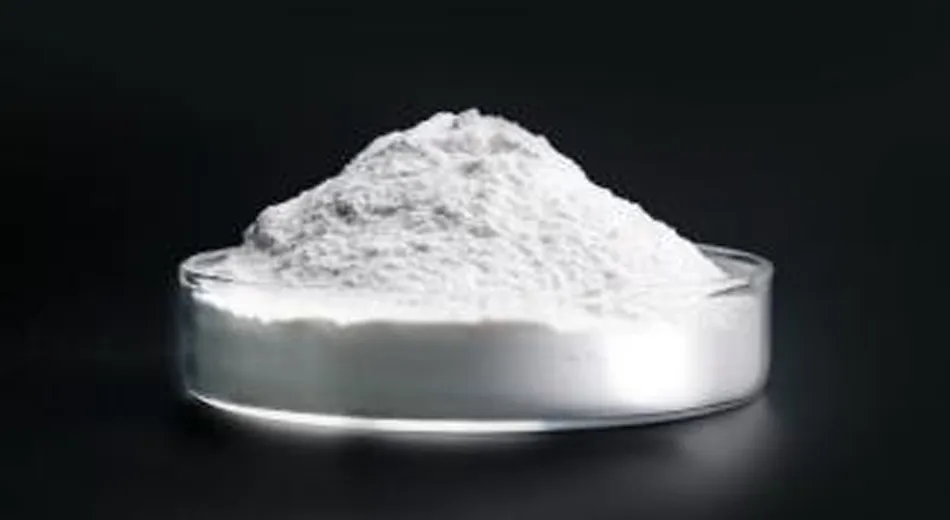
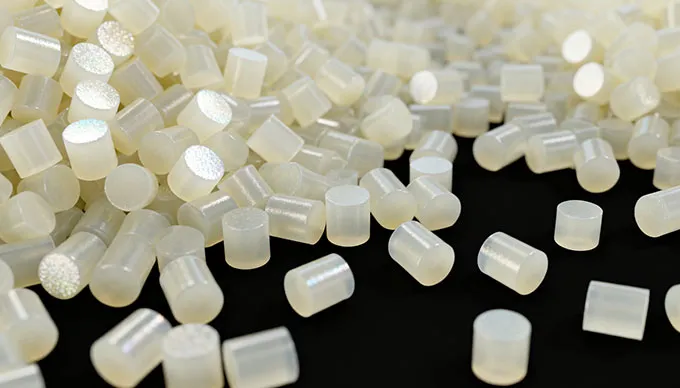
TPEE (Thermoplastic Polyester Elastomer) is a class of linear block copolymers containing PBT (polybutylene terephthalate) polyester hard segments and aliphatic polyester or polyether soft segments.
Characteristics of TPEE
Based on the structure of the soft segments, TPEE can be divided into two main categories: polyether type and polyester type. TPEE exhibits outstanding comprehensive performance.
Mechanical Properties: TPEE has excellent tensile strength, resilience, flexibility, and impact resistance, with outstanding creep and fatigue resistance. Under the same conditions, its compression and tensile modulus are much higher than those of TPU. Its superior dynamic performance makes TPEE suitable for applications requiring long-term spring performance and long flexural life.
Thermal Properties: TPEE has good heat resistance, with a melting temperature ranging from 170 to 250°C. Thermogravimetric analysis shows that it loses almost no weight when heated at 110-140°C for 10 hours; at 160°C for 10 hours, the weight loss is only 0.05%. Its brittle point is below -70°C, and it maintains good flexibility at low temperatures, allowing it to be used long-term in the range of -50 to 160°C.
Chemical Resistance: TPEE exhibits excellent resistance to oils, swelling, and permeability, making it suitable for various oil environments such as fuel oil, hot oil, grease, and hydraulic oil. Its fuel permeability is only 1/3 to 1/300 of that of oil-resistant rubbers like neoprene and nitrile rubber. It also has excellent resistance to chemical solvents, withstanding polar media such as water, acids, bases, and glycols at temperatures below 70°C.
Weather and Aging Resistance: TPEE has excellent weather and chemical stability in different environments such as water vapor, ozone, and natural aging. By incorporating UV absorbers like carbon black, titanium dioxide, and benzotriazole into its formulation, the material’s aging resistance can be significantly enhanced.
Wear Resistance: TPEE outperforms many flexible materials like PVC and other rigid plastics in terms of wear resistance. In environments requiring high wear resistance and mechanical strength, it is superior to polyurethane and rubber.
Electrical Properties: TPEE has good dielectric properties, with a volume resistivity of 10^10 to 10^12 Ω·cm, making it suitable for electrical applications below 600V.
Applications of TPEE
From its structure, it is evident that TPEE not only has the elasticity of rubber but also the strength of engineering plastics. TPEE foam materials, with their high resilience, fatigue resistance, low-temperature flexibility, lightweight, shock absorption, and noise reduction properties, have broad application prospects.
1. High-Elasticity Railway Pads
With the increasing speed of high-speed trains, traditional rubber pads, ethylene-vinyl acetate plastic pads, and thermoplastic polyurethane pads are becoming inadequate.
2. Outdoor Sports Products
The high resilience, fatigue resistance, and low-temperature flexibility of TPEE foam materials make them the preferred material for outdoor sports products, such as ski board cores, ski boot buckles, outdoor sports glasses, and sports water bottles.
3. Footwear
In the field of sports shoes, TPEE foam materials are often used in combination with EVA rubber-plastic composites to improve the performance of EVA foam shoe materials. However, TPEE is less commonly used as the main material for making foam midsoles due to the complexity of the foaming process.
 English