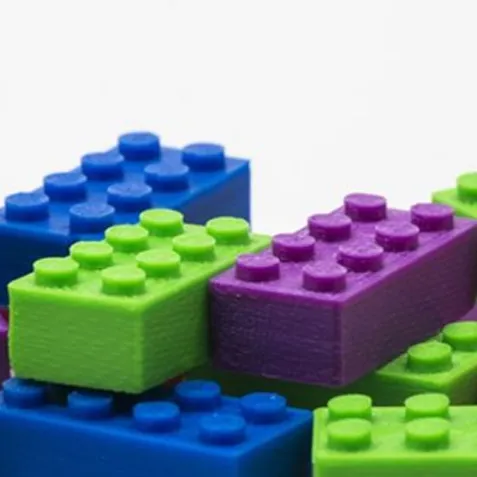
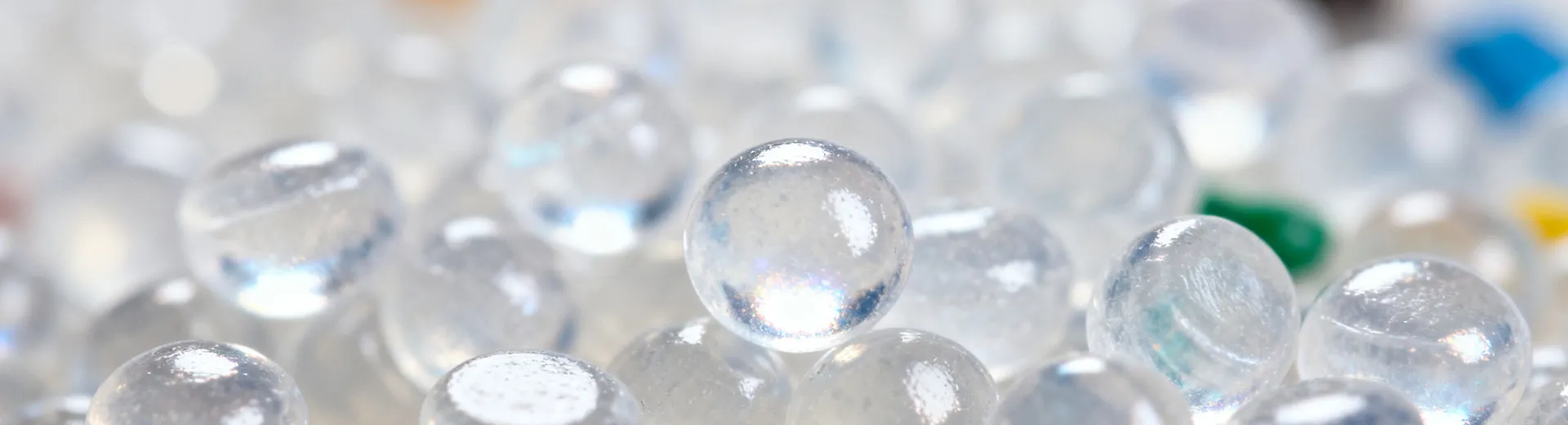
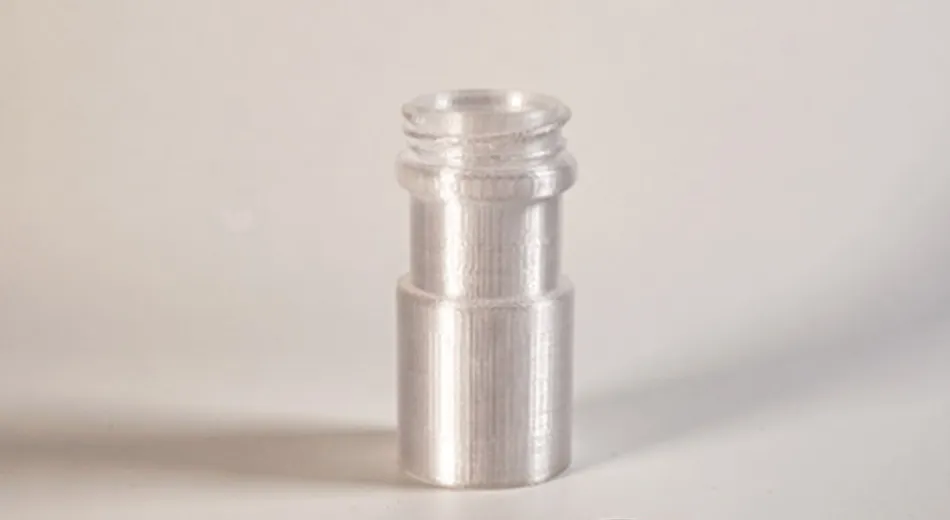
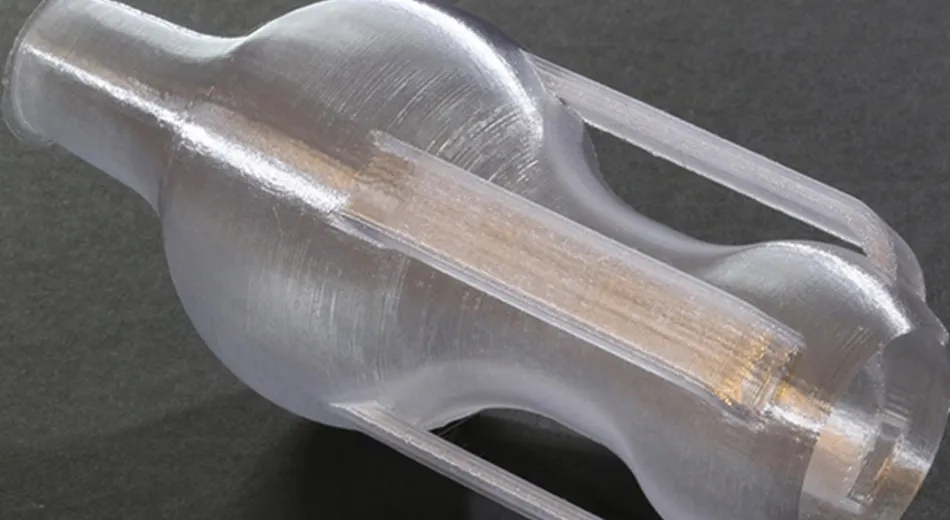
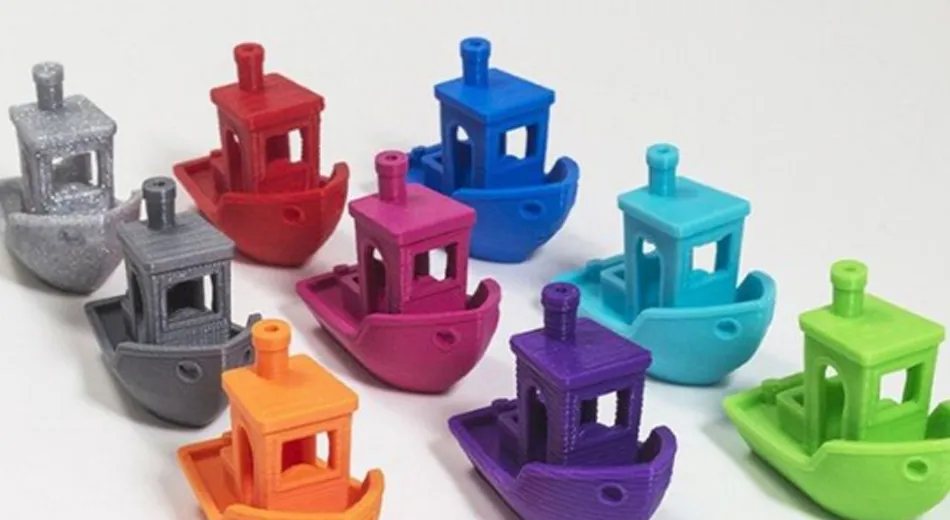
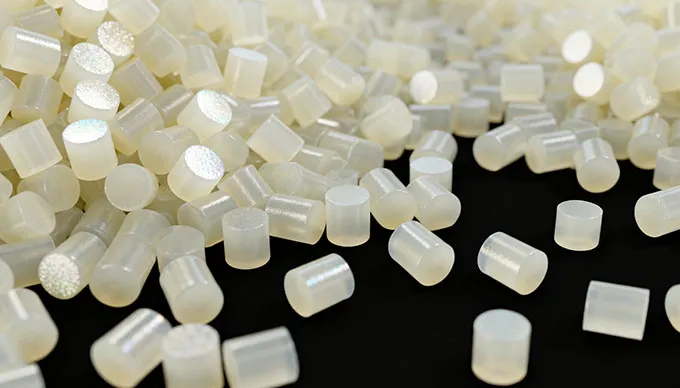
Acrylonitrile butadiene styrene (ABS) is a widely used plastic in the industrial field. It is not only the main material for Lego bricks but also commonly used in car bodies, household appliances, and numerous roofing projects. ABS belongs to the category of thermoplastic materials, with polybutadiene elastomer as its base, which endows it with excellent flexibility and impact resistance. This material is particularly suitable for fused deposition modeling (FDM), making it compatible with most desktop 3D printers. Additionally, ABS is available in resin form, suitable for SLA or material jetting processes. When printing ABS, the temperature range typically falls between 230°C and 160°C, and it can withstand temperature changes from as low as -20°C to as high as 80°C. In addition to its high electrical resistance properties, ABS has a polished surface that can be reused and welded through chemical processes such as using acetone. It should be noted that ABS is not biodegradable and may shrink in air, so the build platform needs to be heated during the printing process. It is recommended to use enclosed 3D printers to reduce the release of particles that may occur during printing.
 English