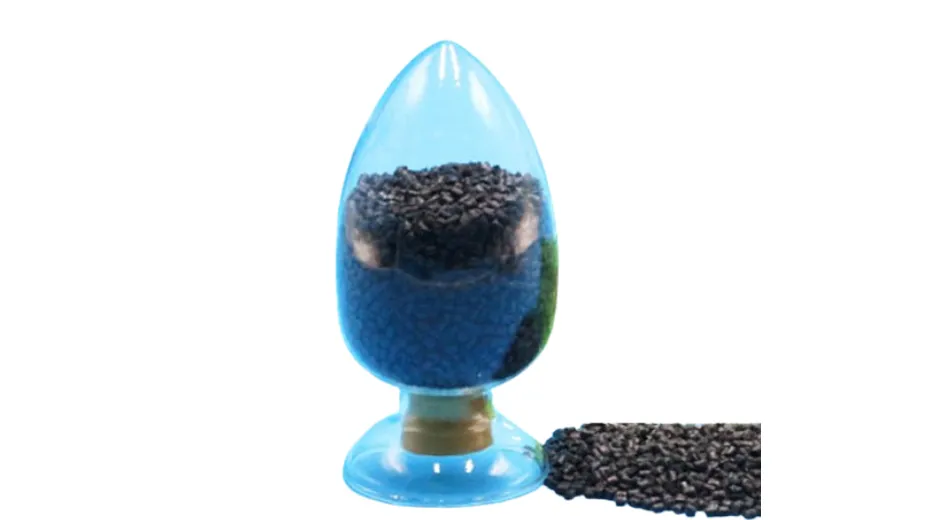
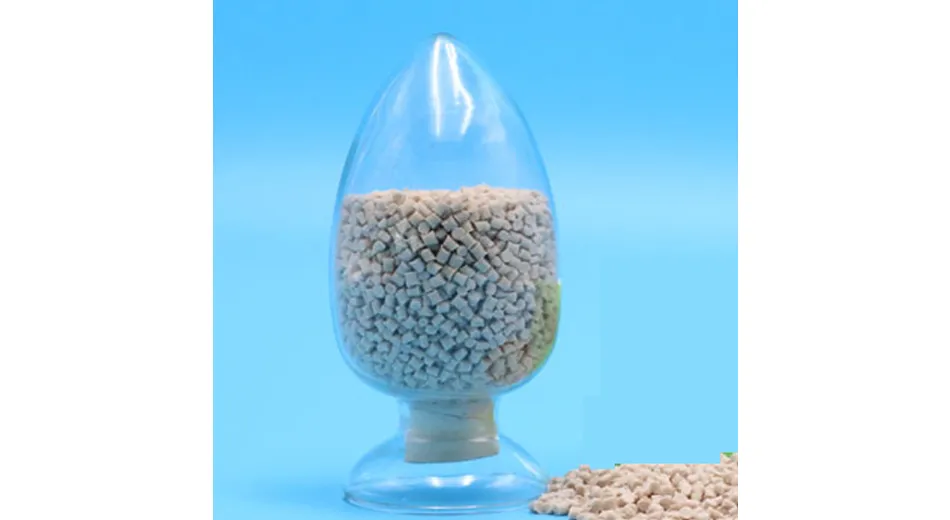
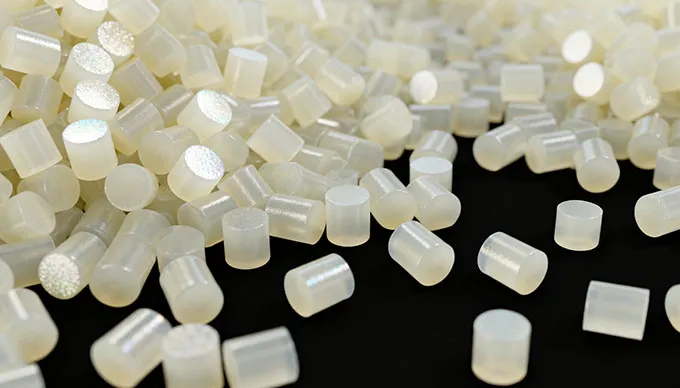
Features of 330GL30H Glass Fiber Reinforced(GF) PEEK
1. Mechanical Performance: Strength Meets Toughness
The addition of 30% glass fibers significantly boosts the tensile strength of PEEK, increasing it from approximately 90–100 MPa (pure PEEK) to 170–190 MPa. This places the material’s strength on par with lightweight metals like aluminum (≈200 MPa), enabling its use in load-bearing structural components. While the impact strength of pure PEEK (6–10 kJ/m²) declines slightly after reinforcement (to around 5–8 kJ/m²), it remains superior to many brittle engineering plastics (e.g., polyimide or PPS). The material retains excellent fatigue resistance, enduring repeated cyclic loads without significant degradation—critical for applications like rotating machinery or automotive parts.
2. Thermal Stability: Withstanding Extreme Heat
The most notable advantage of 330GL30H is its elevated heat deflection temperature (HDT). Pure PEEK has an HDT of 160–180°C (at 1.82 MPa), but the 30% glass fiber reinforcement raises this to 280–300°C—a level comparable to some low-alloy steels. This means the material can maintain its structural integrity and mechanical properties even when exposed to continuous high temperatures (up to 250°C for long-term use). Additionally, PEEK’s inherent thermal stability ensures minimal thermal expansion, reducing warping or deformation in high-temperature environments.
3. Dimensional Stability and Rigidity
Glass fibers act as a reinforcing skeleton, drastically improving the material’s dimensional stability. This reduces warping, shrinking, or distortion during machining or exposure to heat, making 330GL30H ideal for precision-engineered parts (e.g., automotive connectors, semiconductor equipment components). The enhanced rigidity also allows for thinner wall designs without sacrificing structural strength, contributing to weight reduction in automotive and aerospace applications.
4. Chemical and Environmental Resistance
Like pure PEEK, 330GL30H exhibits outstanding chemical resistance, withstanding corrosion from acids (e.g., hydrochloric, sulfuric), bases, and organic solvents—even at elevated temperatures. It maintains its properties in humid or wet environments, resisting hydrolysis (a common issue for many plastics). This makes it suitable for use in chemical processing equipment, marine applications, and outdoor industrial machinery.
5. Flame Retardancy and Safety
330GL30H achieves the UL94 V-0 flame retardancy rating without requiring additional flame retardants. This means it self-extinguishes quickly when exposed to a flame, producing minimal smoke and toxic gases—critical for applications in aerospace, automotive, and electrical systems where fire safety is non-negotiable.
Applications of 330GL30H Glass Fiber Reinforced(GF) PEEK
The combination of strength, heat resistance, and dimensional stability makes 330GL30H a popular choice for:
Mechanical Engineering: Bearings, gears, bushings, and valve seats in pumps, compressors, and motors—where high load capacity and wear resistance are essential.
Chemical Industry: Tanks, pipelines, and valves for handling corrosive chemicals (e.g., acids, solvents)—thanks to its chemical inertness.
Electrical/Electronic: Connector housings, insulators, and semiconductor wafer carriers—where flame retardancy and thermal stability are critical.
Automotive/Aerospace: Structural components (e.g., engine mounts, brackets) in harsh environments—replacing metals to reduce weight and improve fuel efficiency.
Processing Considerations of 330GL30H Glass Fiber Reinforced(GF) PEEK
330GL30H is typically processed using standard thermoplastic methods:
Injection Molding: Suitable for high-volume production of small to medium-sized parts. Optimal melt temperatures range from 360–390°C, with mold temperatures of 150–180°C to ensure proper crystallization.
Extrusion: Used to produce rods, sheets, or profiles for subsequent machining. Lower melt temperatures (340–370°C) are recommended to prevent fiber breakage.
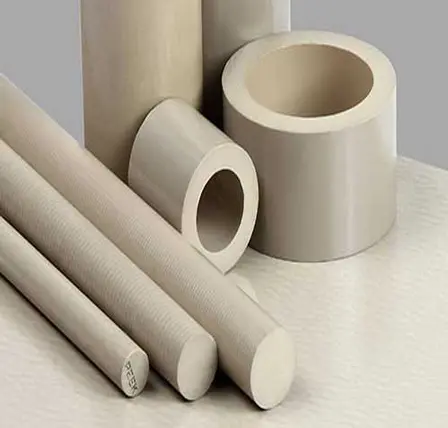
Machining: Can be turned, milled, or drilled using standard tools (preferably carbide-coated) to achieve tight tolerances—ideal for prototyping or low-volume production.
This grade of GF-PEEK strikes an optimal balance between performance and processability, making it a versatile material for industries demanding high reliability in extreme conditions.
 English